CATARACTS

 What is a cataract?

When the normally clear lens within your eye becomes cloudy and opaque, it is called a cataract. Cataracts vary from extremely small areas of cloudiness to large opaque areas that cause a noticeable loss of vision.

Who gets cataracts?

Cataracts are most often found in persons over the age of 60, but they are also occasionally found in younger people, including newborns.

What causes cataracts?

No one knows exactly what causes cataracts. It is known that a chemical change occurs within your eye that causes the lens to become cloudy. This may be due to advancing age or it may be the result of heredity, an injury or a disease. Excessive exposure to ultraviolet radiation present in sunlight, cigarette smoking or the use of certain medications are also risk factors for the development of cataracts. Cataracts usually develop in both eyes, but often at different rates.

Can cataracts be prevented?

Currently, there is no proven method to prevent cataracts from forming. Wearing sunglasses is a tremendous benefit as they protect your lens from harmful UV rays, which can speed up the cataract formation. A diet rich in antioxidants (such as Vitamins A, C, E, Zinc, Selenium & Magnesium) is seemingly also beneficial.

What are the signs/symptoms of cataracts?

Cataracts develop without pain or redness, some indications that a cataract may be forming include blurred or hazy vision, the appearance of spots in front of the eyes, or the feeling of having a film over the eyes. A temporary improvement in near vision may also occur and increased sensitivity to glare, especially at night may be experienced.

How are cataracts diagnosed?

In the early stages of a cataract, where vision is only minimally affected, your optometrist can prescribe new lenses for your glasses to give you the sharpest vision possible. When the cataracts start to interfere with your daily activities and glasses cannot improve this vision, your optometrist will refer you to an eye surgeon who may recommend the surgical removal of the cataracts. The surgery is relatively uncomplicated and has a success rate of at least 95 percent.

When will I need to have cataracts removed?

Cataracts may develop slowly over many years or they may form rapidly in a matter of months. Some cataracts never progress to the point that they need to be removed. When a change in glasses can no longer provide functional vision, your optometrist will arrange a consultation with a cataract surgeon.

What happens after cataract surgery?

Intraocular lens implants, inserted in your eye at the time of surgery, serve as a "new lens" and sometimes give you good distance vision without glasses. Your near vision will still be blurred. Your Doctor of Optometry will prescribe new lenses for your glasses about 4 - 6 weeks after surgery to maximize your distance and near vision.

 
More Info

Our Philosophy

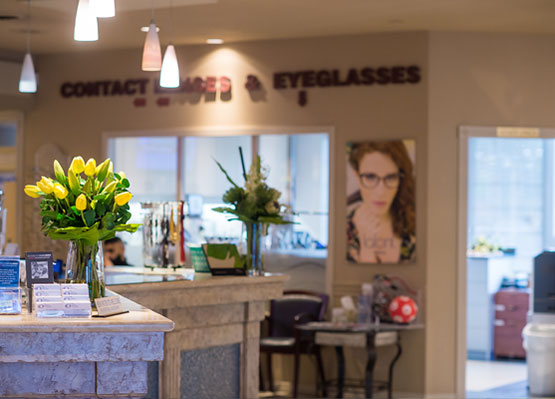
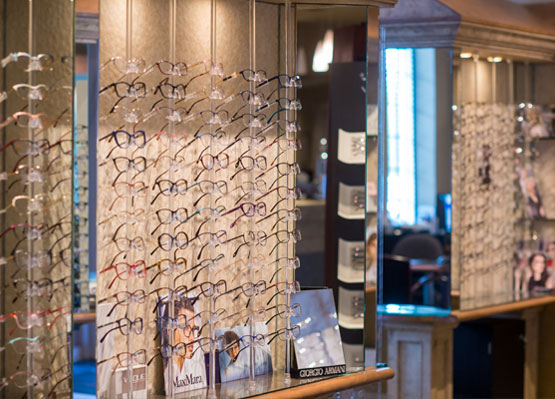
Our philosophy goes hand in hand with our name: Complete EyeCare. We are here to meet your every eyecare need. That means we do everything from routine eye health exams, eye emergencies, surgical referral/ follow-ups to fulfilling all your eyewear and contact lens needs

Our Promise

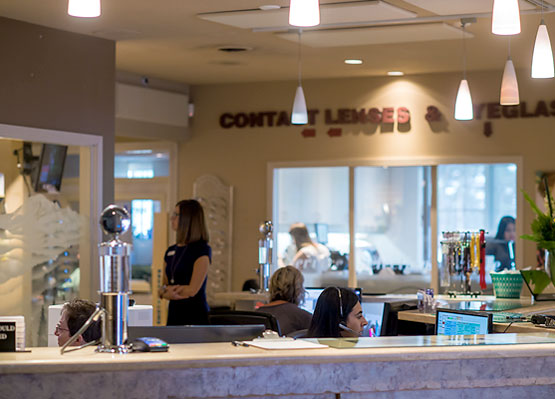
We strive to make your time in our office as pleasant and efficient as possible. Your eyecare experience starts with our friendly reception staff, then to our caring and knowledgeable doctors of optometry, and finally to our experienced and helpful eyewear dispensers and contact lens staff.

Our History

We are the central Fraser Valley’s premiere eyecare facility located in Abbotsford, British Columbia. We have been serving the residents of the central Fraser Valley since 1977. Our clinic has grown significantly over this time along with the city of Abbotsford. We’ve been in our present location (Little Oak Mall) since 1999.

Our community

Complete EyeCare Optometry participates with a team in the CIBC run for the cure (breast cancer run) in October 2007. We actively support the Third World Eye Care Society and are always watching for ways we can help our community.